Vitamin D, Osteoporosis and Joint Health: The Connection Indian Adults Often Miss
Consider a typical patient: a 61-year-old homemaker from Gurugram who has had right knee pain for three years. Her X-ray shows arthritis, and she has been advised a knee replacement. Over the years she has taken calcium tablets “whenever she remembered.” Nobody ever tested her vitamin D.
Before surgery planning, a routine blood test shows her vitamin D at 9 ng/mL, far below the 20 ng/mL cut-off used in Indian studies for deficiency. A bone density scan shows osteoporosis. “But my problem is my knee,” she says. “What does my bone have to do with it?”
A great deal, as it turns out. This article explains how your bones, vitamin D and your joints are connected, what the evidence does and does not show, and why it matters if you have joint pain, arthritis or a joint replacement in your future. If you want the cartilage side of the story, start with how joint cartilage wears down.
A Joint Is More Than Cartilage
When people say “my knee is worn out,” they usually picture cartilage. But a joint is a system: cartilage, the bone beneath it, the muscles that control it, and the ligaments that stabilise it.
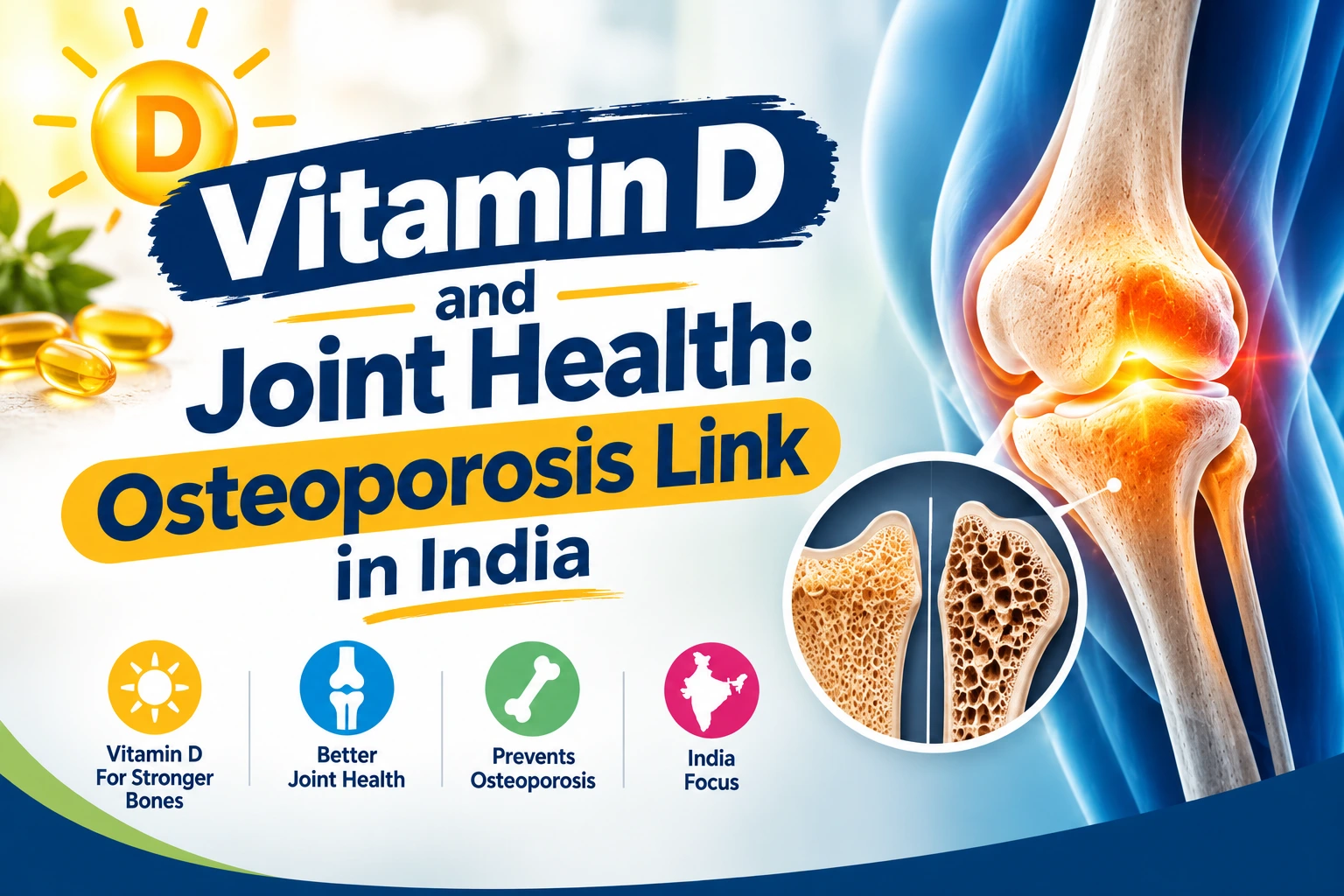
Vitamin D works mainly behind the scenes. It helps your body absorb calcium from food and lay it down in bone, and it supports muscle function. When levels are low, bones can become softer and weaker, muscles weaker, and balance poorer. For a joint, that means less solid support underneath and a higher chance of falling.
Key idea: Vitamin D does not rebuild cartilage. Its role in joint health is in the strength of the bone around the joint and the muscles that protect it.
A Sunny Country with a Vitamin D Problem
India has sunshine all year, yet low vitamin D is among the most common nutritional problems in Indian adults.
- 67% pooled prevalence of vitamin D deficiency in India (95% CI 61–73%), from a South Asian meta-analysis. Across South Asia the figure was 68%, and it was higher in women than in men.
- 40 studies in a review of apparently healthy Indians found deficiency across regions, irrespective of sunlight exposure.
Why does it happen? Indoor work, covered clothing, darker skin that makes less vitamin D from the same sunlight, little vitamin D in most Indian diets, and the indoor lifestyle of city living all contribute. Living in Delhi NCR does not protect you.
The deficiency is also often “silent.” There may be no symptoms until a bone breaks or the muscles feel weak and achy. Many people also notice more stiffness and aches in colder months; see our note on knee stiffness in winter.
Osteoporosis: The Silent Partner
Osteoporosis means bones that have lost density and strength. It usually gives no warning until a fracture happens.
- 1 in 3 women and 1 in 5 men over 50 will experience an osteoporotic fracture in their lifetime.
- 17.9% of Delhi residents aged 50+ had at least one vertebral (spine) fracture on X-ray in the Delhi Vertebral Osteoporosis Study of 808 people. In women, the rate rose from 14.7% at ages 50–59 to 22.4% at 70 and above.
- Over 30% one-year mortality after hip fracture was reported in an Indian public-hospital setting, according to the International Osteoporosis Foundation’s India audit.
A note on diagnosis: bone density scans (DXA) are compared against reference values. In the Chandigarh Urban Bone Epidemiological Study, using Western reference values labelled 25% of post-menopausal women as osteoporotic, while Indian-derived values labelled only 5%. This is why a scan should be read by a doctor who understands the numbers, rather than from the printed report alone.
What Vitamin D Can and Cannot Do for Arthritis
This is where honesty matters, because the topic is full of overpromising.
Observational studies have linked low vitamin D to more knee pain and arthritis. But two large randomised trials tested whether giving vitamin D actually helps. The VIDEO trial gave 413 patients with knee osteoarthritis and low vitamin D monthly 50,000 IU for two years. Levels rose, but cartilage volume and knee pain did not change compared with placebo. An earlier trial by McAlindon and colleagues found the same, with both groups losing about 4% of cartilage.
So, vitamin D tablets will not regrow cartilage or cure arthritis pain. Their value lies elsewhere.
Why Bone Health Matters Before and After Joint Replacement
A knee or hip implant is anchored in your own bone. The quality of that bone is one of the things surgeons consider.
- Implant fixation. In a study of 127 cemented hip replacements, the 78 patients whose implants had loosened had lower bone density, narrower femoral cortices and more past fragility fractures than the 49 with stable implants.
- Fractures around the implant. Patients with periprosthetic hip fractures had significantly higher fracture-risk (FRAX) scores than other hip replacement patients.
- Infection. Several studies link low vitamin D to periprosthetic joint infection. Whether correcting it before surgery reduces infection or improves results is still unproven, and a systematic review called the evidence inconclusive.
- Low levels are common. A review of more than 9,700 arthroplasty patients found low vitamin D in 26.7%. Patients heading for revision surgery showed what researchers called an alarmingly high deficiency rate.
The gap in care is striking. In a review of high-risk joint replacement patients, 90% had received no osteoporosis medication, 88% had no bone density test, and 45% were not on vitamin D or calcium. Bone health is often the missing step in joint care.
This is why a pre-operative assessment looks beyond the joint. It may include a vitamin D level, calcium, a bone density scan and a fracture-risk estimate. If you have already had a replacement, bone health still matters, because strong bone protects the implant for years. See also our guides on revision knee replacement and physiotherapy after joint replacement.
Worried about bone strength before a joint procedure? Get a proper bone health assessment with Dr. Vivek Logani. Call +91 99996 00099.
Book a ConsultationWho Should Get Tested
Consider a vitamin D and bone health check if you:
- are a woman past menopause, or any adult over 50
- have had a fracture from a minor fall
- have knee or hip arthritis and are considering a replacement
- have already had a joint replacement, particularly with unexplained pain or loosening
- have diabetes, thyroid disease, kidney or liver disease, or have taken steroids long term
- smoke, drink heavily, or have a family history of hip fracture
- work indoors, cover most of your skin, or rarely get outdoors, as many Delhi NCR professionals do
- have persistent muscle aches, weakness or frequent falls
Practical Steps for Stronger Bones and Safer Joints
- Test before you supplement. Check 25-hydroxy vitamin D and calcium. The right dose depends on your level, and very high doses taken without supervision can cause harm.
- Eat for bone. Include dairy such as milk, curd and paneer, ragi, sesame, and leafy greens. Ensure adequate protein.
- Get regular daylight. Short, regular outdoor time helps, though sunlight alone often falls short in India, so your doctor may advise supplements.
- Move with load. Walking, stair climbing and strength training stimulate bone. Add balance work, such as standing on one leg or tai chi, to reduce falls.
- Cut smoking and heavy alcohol, both of which weaken bone.
- Fall-proof your home. Better lighting, non-slip bathroom mats, grab bars and removing loose rugs prevent fractures.
- Ask about treatment. If osteoporosis is confirmed, effective medicines exist, and your orthopaedic surgeon and endocrinologist can plan them around any joint procedure.
When to See a Specialist
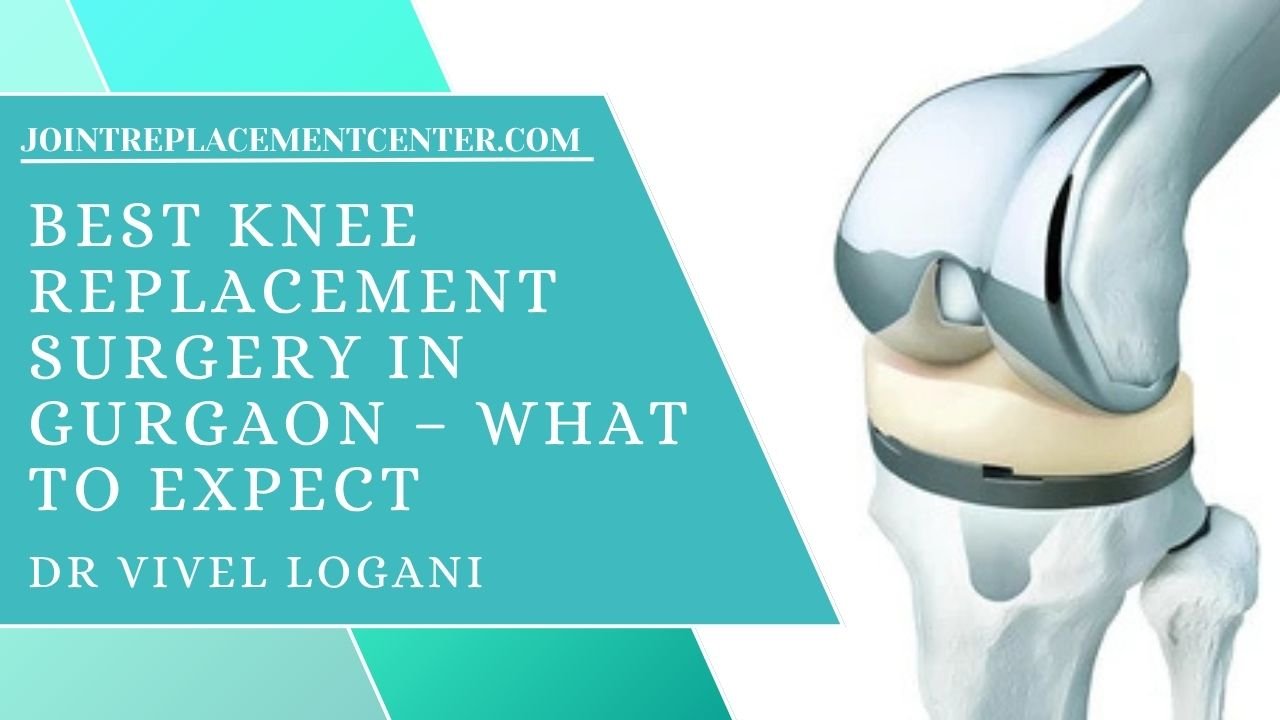
Speak to a specialist if you have joint pain with a history of fractures, are planning knee or hip replacement, or already have an implant and want your bone health reviewed. For persistent knee symptoms, read what to expect before, during and after knee replacement surgery.
FAQs
Does low vitamin D cause knee arthritis?
Low vitamin D has been linked to arthritis in observational studies, but that does not prove it causes it. Supplement trials in knee osteoarthritis have not shown slower cartilage loss or less pain.
Can osteoporosis and osteoarthritis occur together?
Yes. Older thinking held that they rarely coexist, but studies of patients undergoing hip replacement have found vitamin D deficiency and osteoporosis in many of them. One small study of 30 women over 70 found 18 with deficiency and 6 with low levels.
Do I need a bone density test before joint replacement?
Not everyone does. It is advised for higher-risk people, such as post-menopausal women, those over 50 with prior fractures, and those with other risk factors. Your surgeon will guide you.
Is it safe to take vitamin D tablets on my own?
Occasional low doses are usually safe, but the right dose depends on your blood level. Excess vitamin D can raise blood calcium. It is best to test first and follow your doctor’s plan.
Does poor bone health mean I cannot have a joint replacement?
No. Many patients with osteoporosis have successful joint replacements. Bone quality simply helps your surgeon plan the implant, fixation and recovery.
About the author
References
- Siddiqee MH et al. High prevalence of vitamin D deficiency among South Asian adults: a systematic review and meta-analysis. BMC Public Health. 2021. https://pmc.ncbi.nlm.nih.gov/articles/PMC8501935
- Systematic review on vitamin D level in apparently healthy Indian population. Indian J Endocrinol Metab. 2017. https://pmc.ncbi.nlm.nih.gov/articles/PMC5628552
- Marwaha RK et al. Delhi Vertebral Osteoporosis Study (DeVOS). Arch Osteoporos. 2012;7:201-207. https://dx.doi.org/10.1007/s11657-012-0098-8
- Asia-Pacific Regional Audit: Epidemiology, Costs and Burden of Osteoporosis in India 2013 (International Osteoporosis Foundation). https://pmc.ncbi.nlm.nih.gov/articles/PMC4138897
- Bone mineral density in healthy adult Indian population: the Chandigarh Urban Bone Epidemiological Study (CUBES). Arch Osteoporos. 2021;16:17. https://scholarlycommons.henryford.com/endocrinology_articles/90
- Total Joint Arthroplasty and Osteoporosis: Looking Beyond the Joint to Bone Health. J Arthroplasty. 2022;37(9):1719-1725. https://pubmed.ncbi.nlm.nih.gov/35447275/
- Does bone quality predict loosening of cemented total hip replacements? J Bone Joint Surg Br. 2007. https://boneandjoint.org.uk/Article/10.1302/0301-620X.89B10.19038
- Vitamin D and outcomes after hip and knee arthroplasty: systematic review. https://pmc.ncbi.nlm.nih.gov/articles/PMC7490061
- Vitamin D deficiency in patients scheduled for revision arthroplasty of the hip, knee and shoulder. https://pubmed.ncbi.nlm.nih.gov/39339662/
- Bone mineral metabolism in elderly women with osteoarthritis undergoing total hip replacement. J Bone Joint Surg Br (supplement). https://boneandjoint.org.uk/Article/10.1302/0301-620X.88BSUPP_III.0880424d
- Ding C et al. Effect of vitamin D supplementation on tibial cartilage volume and knee pain (VIDEO trial). JAMA. 2016;315(10):1005-1013. https://doi.org/10.1001/jama.2016.1961
- McAlindon T et al. Effect of vitamin D supplementation on progression of knee pain and cartilage volume loss in patients with symptomatic osteoarthritis. JAMA. 2013;309:155-162.
Disclaimer: This article is for patient education and does not replace personal medical advice. Please consult a qualified orthopaedic surgeon for diagnosis and treatment. The patient in the opening is an illustrative example, not a real case.
Contact Us for Bone Health and Joint Replacement Care in Gurgaon
Dr. Vivek Logani — Director, Joint Replacement & Sports Injury Centre, Paras Health, Gurgaon (Sushant Lok Phase I). MS (Orthopaedics), DNB (Orthopaedics), MNAMS | 23+ years of experience | 8,000+ joint replacements and 400+ complex revisions | Computer navigation for all knee replacements since 2009.